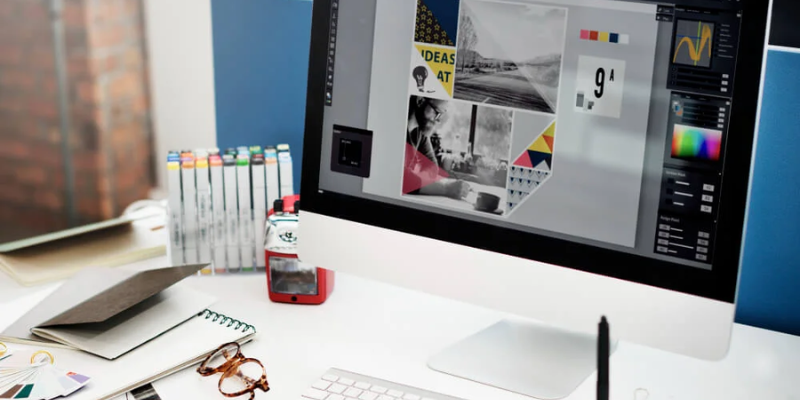
In the design process, transforming ideas into successful products requires careful evaluation and testing before final implementation. Prototyping is a crucial technique that allows designers to create preliminary versions of a product, interface, or solution to assess functionality, usability, and user expectations. By testing concepts early in the development cycle, organizations can identify improvements, reduce risks, and create more effective designs. Prototyping is an important topic covered in Digital Marketing Course in Trichy because it helps designers refine ideas and deliver user-centered solutions.
Understanding Prototyping
A prototype is an early representation of a design concept that demonstrates how a product or interface may function. It can range from simple sketches and wireframes to interactive models that closely resemble the final product. Prototypes help visualize ideas before investing significant time and resources in development.
Validating Design Ideas
One of the primary benefits of prototyping is concept validation. Designers can test whether their ideas effectively address user needs and business objectives. Early validation helps confirm that the design direction is practical and aligns with project goals.
Identifying Usability Issues
Prototypes allow users to interact with a design before it is fully developed. This interaction helps uncover usability challenges, navigation problems, and areas of confusion. Identifying these issues early reduces costly revisions later in the project lifecycle.
Improving User Feedback
User feedback is essential for creating successful designs. Prototyping provides stakeholders and users with a tangible representation of the concept, making it easier to gather meaningful opinions and suggestions for improvement.
Enhancing Communication
Design concepts can sometimes be difficult to explain through descriptions alone. Prototypes provide a visual and interactive representation that helps designers, developers, clients, and stakeholders better understand the proposed solution. Graphic Design Courses in Erode introduces prototyping techniques because effective communication is critical for successful design projects.
Reducing Development Risks
Building a complete product without validating the design can lead to unexpected issues and increased costs. Prototyping helps identify potential problems before development begins, reducing project risks and improving overall efficiency.
Supporting Iterative Design
Design is often an iterative process that involves continuous refinement. Prototypes enable designers to test, evaluate, and improve concepts through multiple cycles. This approach helps create solutions that are more effective and user-friendly.
Saving Time and Resources
Making changes during the prototyping stage is generally faster and less expensive than modifying a completed product. Early testing allows teams to refine ideas efficiently and avoid costly redesign efforts later in the development process.
Increasing Stakeholder Confidence
When stakeholders can see and interact with a prototype, they gain a clearer understanding of the project’s direction and potential outcomes. This visibility helps build confidence in design decisions and supports informed decision-making.
Conclusion
Prototyping helps validate design concepts by enabling early testing, gathering user feedback, identifying usability issues, improving communication, reducing development risks, and supporting iterative refinement. By providing a practical representation of design ideas, prototypes help ensure that final solutions meet user expectations and business objectives. Graphic Design Courses in Trichy cover prototyping because it is an essential practice for creating effective, user-focused, and successful design projects.